Flame-resistant (FR) clothing plays an important role in protecting workers in industries such as oil and gas, refining, and petrochemicals. But how do we evaluate the flame resistance of fabrics and the thermal protection provided by finished garments?
Two widely referenced ASTM test methods are ASTM D6413 and ASTM F1930. Although both relate to flame-resistant clothing, they focus on different aspects of protective performance.
1. ASTM D6413: Vertical Flame Test
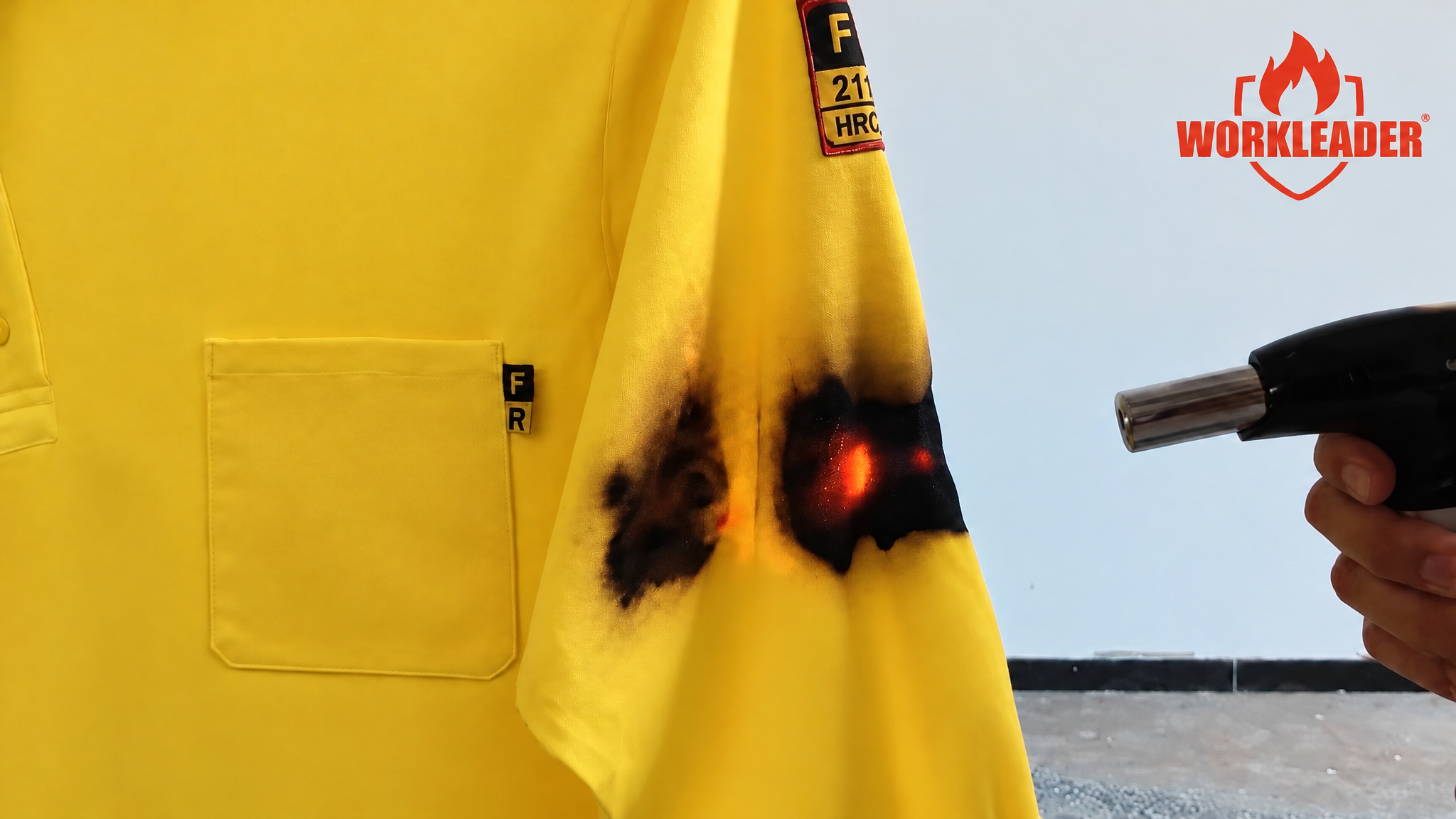
ASTM D6413 is a test method used to evaluate the flame response of textile materials under controlled laboratory conditions.
During the test, a vertically positioned fabric specimen is exposed to a specified flame. The main measurements include:
Afterflame Time: How long the material continues to flame after the ignition source is removed.
Afterglow Time: How long the material continues to glow after flaming stops.
Char Length: The length of the damaged area caused by flame exposure.
These measurements help assess how a fabric responds to direct flame exposure.
2. ASTM F1930: Instrumented Manikin Test
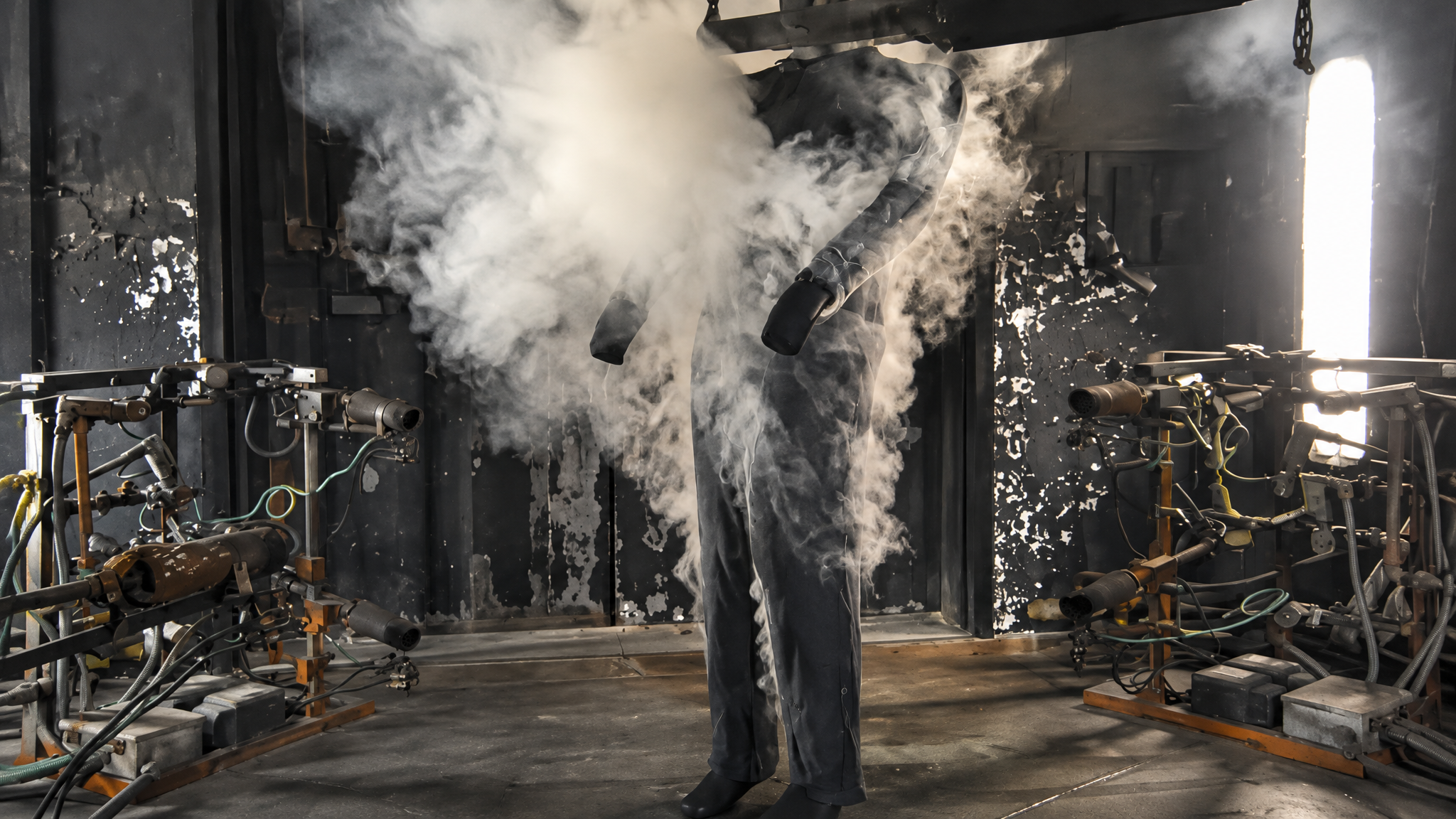
Unlike ASTM D6413, which focuses on fabric samples, ASTM F1930 evaluates the thermal protection provided by complete garments or clothing ensembles under simulated flash-fire conditions.
In this test, a garment is fitted onto an instrumented manikin equipped with heat sensors and exposed to a controlled simulated fire environment. The sensor data are used to predict potential skin burn injuries.
This method helps assess how fabric properties, garment construction, and design contribute to overall thermal protection.
3. Why Are Both Tests Important?
Fabric performance is an essential part of protective clothing, but it does not tell the whole story.
ASTM D6413 examines the flame response of textile materials, while ASTM F1930 evaluates the predicted burn injury associated with the thermal protection of garments under specified test conditions.
Together, these methods provide complementary information about the performance of flame-resistant materials and clothing. Both are referenced in the evaluation of protective garments under standards such as NFPA 2112.
It is important to note that passing an individual test does not automatically mean a garment is certified to NFPA 2112. Compliance requires meeting all applicable requirements of the standard.
Eastman: Focused on FR Workwear Quality
At Eastman, we understand that reliable protective clothing starts with careful material selection, proper garment construction, and attention to performance requirements.
We specialize in manufacturing industrial flame-resistant workwear for demanding applications, including oil and gas, refining, and petrochemical industries.
Contact Eastman to learn more about our FR workwear solutions.